
Here’s the thing. I first held a card wallet and felt immediate curiosity. It was tactile, quiet, and oddly reassuring in a way software sometimes isn’t. Initially I thought these little NFC cards were gimmicks, but then I saw how simple and fast the pairing actually was, and my view shifted. They felt like a modern keychain but with immutable hardware for keys.
Whoa, seriously now. My instinct said this could replace a tiny seed phrase sheet in my wallet. It wasn’t perfect, of course; there are tradeoffs like physical loss and vendor lock-in. Actually, wait—let me rephrase that: the tradeoffs are manageable if you adopt good backup practices and if you understand the device’s threat model before trust is placed in it. For people who carry cards, slipping an NFC crypto card into a wallet feels low-friction.
Really, think about it. I tried multiple card-wallet brands over months and kept returning to the same very very few principles. Durability, offline key storage, and clear recovery paths are the big ones. One confusing part is the app ecosystems; some cards require a vendor app to sign transactions while others use open standards and integrate more easily with existing wallets, which matters if you cringe at vendor lock-in. My hands-on showed that with a properly designed NFC wallet app the tap-to-sign flow can be nearly instantaneous, and that user experience matters as much as formal security proofs for adoption.
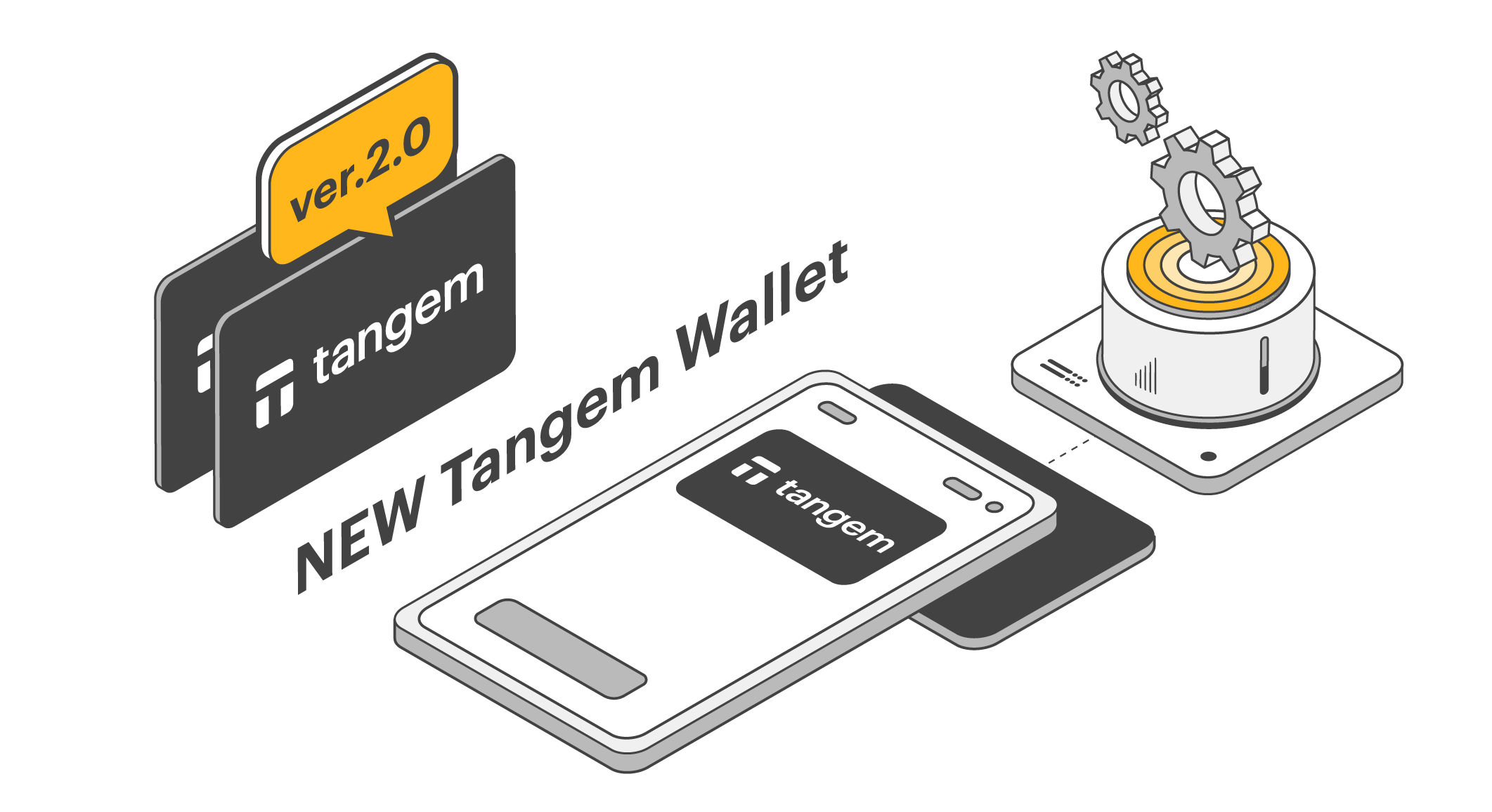
Hmm… I’m biased here. I often test with tangem wallet. Somethin’ about closed ecosystems makes me uneasy—it’s a legitimate concern for long-term custody. Initially I thought card-based wallets solved nearly every poor UX problem in crypto, but then realized that recovery workflows and multisig setups still require careful design and sometimes companion devices or paper backups. Technically, secure element design varies between manufacturers and affects exportability.
Here’s the thing. Support for standards like EMV-compliant secure elements and NDEF over NFC simplifies interoperability. But some cards add proprietary layers that lock you into a single wallet app. If you plan to use a card wallet long-term, test the recovery flow: write down your backup, try restoring it on a spare device, and simulate loss scenarios so you won’t be surprised by edge cases later. On average people underestimate the need for offline backups until the moment they need them, which is why designers should make recovery explicit, obvious, and verifiable during setup rather than tucked away in fine print.
Wow, small device. I kept notes and a quick checklist for buyers to evaluate NFC card wallets. Check who controls firmware updates and whether your card supports open signing protocols. For example, some offerings pair with a branded mobile app that holds metadata and transaction logs, while others strictly treat the card as the only authority and keep metadata strictly client-side, which affects privacy and future migration. I’m not 100% sure about every vendor claim, and I encourage readers to do due diligence, read independent audits, and if possible test purchase a low-cost unit before entrusting large sums to any single card-based solution.
Yes, most NFC card wallets are designed to work with multiple cards; the phone acts as a bridge for signing, not as the single source of truth. Still, try pairing and unpairing ahead of time so you understand the workflow.
That depends on your backup plan. If you followed recovery instructions and tested them, you can restore keys to a new card or compatible device. If you didn’t back up, recovery may be impossible—practice the restore before you need it (oh, and by the way… do not skip that).

